


What are these mud looking strings hanging from my ceiling?
Mud Looking Strings Hanging from Your Ceiling?
You May Have a Serious Termite Problem
Call Now for Your FREE Termite Inspection
If you have discovered strange, mud-colored strings or tubes hanging from the ceiling of your home or business in Metropolitan Phoenix, you are likely experiencing a termite infestation. These unusual formations are not just cosmetic issues—they are clear warning signs that termites are actively feeding on your property right now.
At Bill’s Pest Termite Control, we have been protecting Phoenix-area properties from termite damage for over three generations. We understand how alarming it can be to discover these mud tubes, and we are here to help you understand what they mean, why they are in your ceiling, how they got there, what damage they can cause, and most importantly, what you should do next.
What Are These Mud Looking Strings?
The mud-colored strings you are seeing are called termite tubes, sometimes referred to as mud tubes, shelter tubes, or termite tunnels. These structures are constructed by subterranean termites using a mixture of soil particles, wood fragments, saliva, and fecal matter. The tubes serve as protected highways that allow termites to travel safely between their underground colony and their food source—the wood in your home or business.
Subterranean termites require a moist, dark environment to survive. They cannot tolerate prolonged exposure to open air or sunlight, as they will quickly dehydrate and die. The mud tubes provide a humid, enclosed pathway that shields them from predators, dry air, and light while they forage for food. When you see these tubes hanging from your ceiling, it means termites have already established a significant presence in your structure and are actively expanding their foraging territory.

Why Are Termite Tubes in My Ceiling?
Termites typically enter a structure from the ground, building their tubes up through foundation cracks, utility penetrations, or along the exterior walls. Once inside, they follow moisture gradients and wood sources throughout the building. When termites reach the attic or upper levels of a structure, they may construct tubes that hang down from the ceiling as they search for additional food sources below.
These hanging tubes, sometimes called “drop tubes,” are a particularly alarming sign. They indicate that the termites are exploring new feeding sites within your property, branching out from the established pathways within your walls. The presence of these tubes is a clear signal that a significant termite population is actively consuming your property from the inside out.
How Did Termites Get into My Ceiling?
Subterranean termites live in underground colonies that can contain hundreds of thousands of individual insects. Worker termites constantly forage for food, and they are remarkably adept at finding entry points into structures. Common entry points include:
- Foundation cracks: Even hairline cracks in concrete can provide access.
- Expansion joints: Gaps where different building materials meet.
- Utility penetrations: Areas where pipes, wires, or conduits enter the building.
- Wood-to-soil contact: Anywhere wooden components of your structure touch the ground.
- Moisture-damaged areas: Leaky roofs, plumbing leaks, or poor drainage create ideal conditions for termites.
Once inside, termites follow the path of least resistance, traveling through wall voids, along support beams, and into attic spaces. They can travel considerable distances from their colony, sometimes more than 100 feet, in search of food. Learn more about termite tubes and how they work.
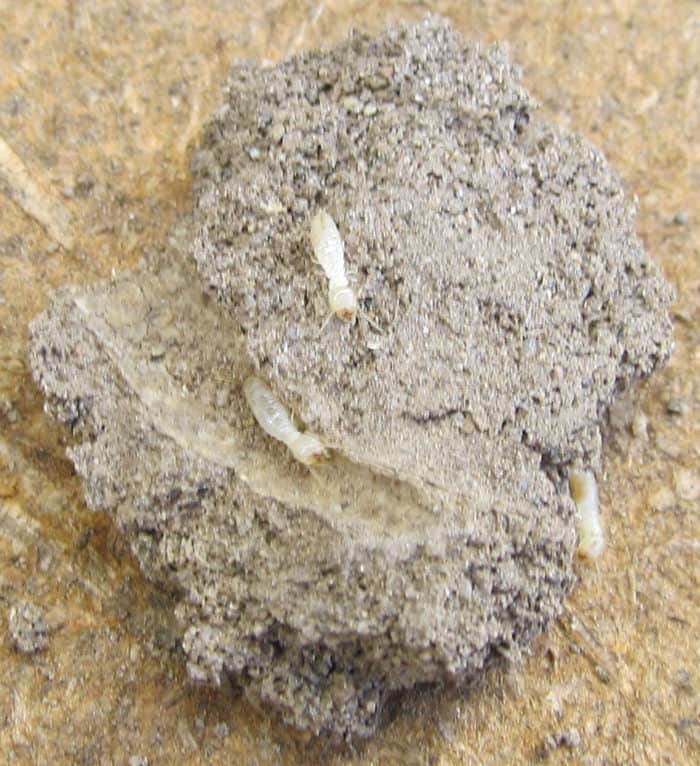
The Hidden Threat: Heterotermes Termites in Phoenix
In Metropolitan Phoenix, the vast majority of termite infestations are caused by our native desert subterranean termite, Heterotermes aureus. This species is uniquely adapted to thrive in our desert environment and is responsible for millions of dollars in property damage across Arizona each year. They are cryptic and relentless, often causing extensive damage before homeowners are even aware of a problem.
Because they consume wood from the inside out, the structural integrity of your home or business can be compromised long before you see any outward signs of damage. By the time you notice mud tubes in your ceiling, the termites may have already caused significant harm to support beams, roof trusses, and other critical structural elements. This is why it is absolutely critical to take immediate action. Read more about Heterotermes termites in Arizona.

How Much Damage Will Termites Cause?
The amount of damage termites can cause depends on several factors, including the size of the colony, how long the infestation has been active, and the type of construction in your building. However, make no mistake: termites are among the most destructive pests in the world, causing over $5 billion in property damage annually in the United States alone.
A mature Heterotermes colony can consume several pounds of wood per year. Over time, this relentless feeding can lead to:
- Weakened or hollowed-out support beams and joists
- Sagging or uneven floors and ceilings
- Cracked or buckling walls
- Damaged door and window frames
- Compromised roof structures
- In severe cases, structural collapse
Most homeowner’s insurance policies do not cover termite damage, as it is considered preventable with proper maintenance and treatment. The cost of repairing termite damage can range from a few thousand dollars to tens of thousands of dollars, depending on the extent of the infestation. For more information, visit our page on termite damage.
Best Pest Inspection Near Me in Phoenix Az
What Should I Do About Termite Tubes?
First, do not disturb the tubes more than necessary. While it may be tempting to scrape them all away, this will not solve the problem. The main colony remains hidden underground, and they will simply rebuild the tubes or find new, even more concealed pathways to continue their destructive feast. DIY termite control methods are rarely effective against a large, established Heterotermes colony and can often make the problem worse.
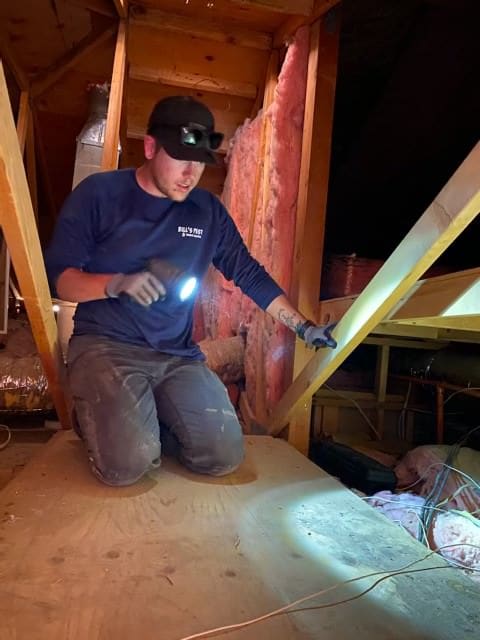
The most important step you can take is to call a professional for a thorough inspection. Only an experienced termite inspector can determine the full extent of the infestation, identify all points of entry, and recommend the most effective treatment plan. Learn about how to get rid of termites properly.
Your peace of mind is just a phone call away.
Contact Bill’s Pest Termite Control for a completely FREE termite inspection, evaluation, or even a second opinion.
Your Trusted Phoenix Termite Experts
When your property is on the line, you need a termite control company you can trust. Bill’s Pest Termite Control is a local, family-owned and operated business with a legacy of protecting Phoenix homes and businesses for over three generations. Our reputation is built on trust, integrity, and results.
✓ Proven Experience
With over 8,000 five-star online reviews, we are Arizona’s trusted termite experts.
✓ Family-Owned
We are your neighbors, and we are committed to providing safe, highly effective, and affordable services to our community.
✓ Specialized Knowledge
We specialize in controlling Heterotermes and other native Arizona termites. We know their habits and, more importantly, we know how to get rid of them for good.

Common Questions About Termite Tubes and Signs of Termites
Do termites really hang from the ceiling?
Termites themselves do not hang from the ceiling. What you are seeing are the mud tubes they construct. These tubes can hang down like small stalactites as the termites explore for new food sources. The tubes are built using soil, saliva, and fecal matter, creating a protective tunnel that allows termites to travel safely while maintaining the moisture they need to survive. For more details, read about termite tubes in the ceiling.
What are the most common signs of termites in Phoenix?
Beyond mud tubes in the ceiling, there are several other warning signs of termite activity. Being aware of these signs can help you catch an infestation early, potentially saving thousands of dollars in repair costs. Common signs include:
- Mud tubes on walls or foundations: These pencil-width tubes running along exterior walls or foundation are a telltale sign.
- Discarded wings: Termite swarmers shed their wings after mating, often near windowsills or light sources.
- Hollow-sounding wood: Tap on wooden beams or trim; if it sounds hollow, termites may have eaten the interior.
- Termite droppings (frass): Small piles of pellet-like droppings near wooden structures.
- Bubbling or peeling paint: Can indicate moisture buildup from termite activity.
- Sagging floors or ceilings: Structural damage from extensive feeding.
For a comprehensive guide, visit our page on signs of termites in Phoenix, Arizona.
How much damage can these termites cause?
The damage can be extensive and costly. A mature Heterotermes colony can contain hundreds of thousands of individual termites, consuming wood 24 hours a day, 7 days a week. Over time, this can lead to sagging floors, weakened support beams, damaged roof structures, and even structural collapse in severe cases. The financial impact can range from a few thousand dollars to over $50,000 in extreme situations. Because most homeowner’s insurance does not cover termite damage, early detection and treatment are critical. To learn more, read our article on termite damage.
How do you get rid of termite tubes in the ceiling?
Removing the tubes is only a cosmetic fix and will not solve the underlying problem. The key is to eliminate the entire termite colony, which can be located underground and may contain hundreds of thousands of termites. At Bill’s Pest Termite Control, we use proven, effective treatments like Termidor, a non-repellent termiticide that is carried back to the colony by the worker termites, leading to total colony elimination. We also offer other advanced treatment options, including heat treatment and fumigation for severe infestations. Find out more about the best termite control methods.
What do termite droppings from the ceiling look like?
Termite droppings, also called frass, can sometimes be found below areas of termite activity. For drywood termites, the droppings are small, pellet-shaped, and often resemble sawdust or coffee grounds. However, subterranean termites (like Heterotermes) typically do not leave visible droppings in the same way. If you see small piles of pellets near the ceiling or walls, it could indicate drywood termite activity. For more information, see our guide on termite droppings from the ceiling.
Is the termite inspection really free?
Yes, absolutely. We provide a complete and thorough termite inspection of your property at absolutely no cost or obligation to you. Our certified inspectors will examine your entire property, identify any and all signs of termite activity, and provide you with a detailed written report. If treatment is necessary, we will provide you with a fair, transparent quote. There is no pressure and no hidden fees. We believe that every property owner deserves to know the truth about their termite situation. Learn more about termite inspections.
Are your termite treatments safe for my family and pets?
Absolutely. We are committed to using the safest and most effective products available. Our technicians are highly trained in the proper application of all materials to ensure the safety of your family and pets. We follow all EPA guidelines and state regulations. We even offer green termite control options for those who prefer the most environmentally friendly solutions. Your safety is our top priority.
How do I know if I have termites in other areas of my home?
Termites can be present in many areas of your home, not just the ceiling. Common areas include basements, crawl spaces, bathrooms, kitchens, and anywhere there is wood-to-soil contact or moisture. A professional inspection is the only way to know for certain. Our inspectors use advanced detection tools and techniques to identify termite activity in all areas of your property, including hidden spaces that are not easily accessible. Read more about how to tell if you have termites.
Are termites common in Arizona?
Yes, termites are extremely common in Arizona, particularly in the Phoenix metropolitan area. Our warm climate and desert environment provide ideal conditions for Heterotermes aureus, the desert subterranean termite. Phoenix consistently ranks among the top cities in the United States for termite activity. In fact, it is estimated that nearly every property in Arizona will experience termite activity at some point. This makes regular inspections and preventive treatments essential for all property owners. For more information, visit our page on termites in Arizona.
Learn More About Termites in Phoenix
We believe that informed property owners make better decisions. Explore our comprehensive library of termite resources:

Don’t Let Termites Destroy Your Biggest Investment!
If you’ve seen mud looking strings, termite tubes in your ceiling, or any other signs of termites, don’t wait. Every day you delay, the termites are causing more damage. Protect your home, your business, and your peace of mind.
Call Bill’s Pest Termite Control Now
FREE Comprehensive Termite Inspection • No Obligation
Let our family help protect yours.
Why Phoenix Trusts Bill’s Pest Termite Control
8,000+
Five-Star Reviews
3
Generations of Service
100%
Family-Owned
Related Termite Control:
- Mud Looking Strings Hanging
- Arizona Termite Specialists
- Termite Droppings
- What are Termites
- Are Termites Harmful to Humans?
- Termite Repairs
- Top 10 Termite Cities
- Is Pest Control Good for Termites
- Are Termites Common?
- 7 Signs of Termites
- Check for Termites
- Mud Strings?
- What do Termites Look Like?
- Termites in Bathroom
- Termite Tubes in Ceiling
- Termite Tubes
- Should I Buy a House That Has Been Treated for Termites?
- Termite Protection Program
- Termites in Phoenix Az
